I could tell we were getting close to the border because my dad was nervous. He tended to get very nervous anyway and when he did, he became testy. Well, he got mean. As he drove, he seamlessly moved from bickering with my mom, to cutting her off when she tried to calm and redirect him, to spouting an occasional spicy Hungarian idiom, to shouting that it was all her fault and threatening my two older brothers and sister and me in the back with his almighty hand, to punching the dashboard and erupting in odd snorting noises that, in another setting, might have been pretty funny. But this evening we fell into our usual terrified place. He undeniably had his demons and he was entirely generous in wanting them to meet us, too.
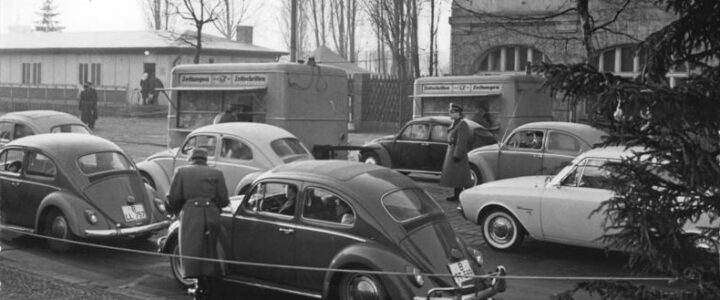
It was 1968 and I was eight, already a veteran of European travel, this being my third trip. We were in our faithful VW in Austria and closing in on the border to Hungary. On our first trip three years earlier, we took the very same road to the same border crossing and felt the same fear. To this day, nearly six decades later, I still hold a razor-sharp memory of my dad, wide-eyed and pacing just outside our car, noticeably sweating.
We now saw the familiar barbed wire fencing and concrete guard towers: soldiers in oversized, forest-green uniforms wore military caps the size of our biggest serving plate, their rifles slung like sinister sashes across their chests. A border crossing through the Iron Curtain was an edgy, drawn-out ordeal those days. We became suspects and were told to wait inside a colorless, tasteless and unfriendly building – everything traditional Hungary was not – while they processed our visas and searched our car and luggage for contraband. My mom always did somehow manage to sneak in a pair of blue jeans, though. I also quickly learned that it never hurt to pass on a bottle of wine from the West to grease the bureaucratic gears.
Originally, my parents, along with my older brother and sister, were born into Hungarian citizenship, but fled the country in 1956. They found their way to the U.S. and in 1963, on the very day Kennedy was assassinated, raised their right hands and swore their loyalty to the United States of America. Forever homesick, my gentle, yet bull-headed mom corralled her four young kids and one reluctant and insecure husband to travel from Southern California to the home country every one to two years now that they all wore the protective shield of the blue U.S. passport. My dad was never convinced the shield would hold.
Twelve years earlier, in 1956, Vice President Richard Nixon was on a diplomatic mission to visit refugee camps in Austria that housed Hungarians who fled the brutality of the Soviet crackdown after everyday citizens staged a brief revolution that shook the Communist world. The Time magazine Person of the Year became the Hungarian Freedom Fighter, collectively those who made outlandish demands for things such as a free press, free elections and a representative government. Nixon was going to up the quota of refugees the U.S. would accept, referring to them as “young, the leadership type.” In 1956 my mom and dad and, at that time, their two young children met that requirement. In fact, they struck such a photogenic family portrait in that refugee camp that their immigration to the U.S. was expedited.
Now, by the time we ducked through the Iron Curtain and finally did get into Hungary, darkness had descended, so for the rest of the drive angling shadows cast by dim lights skittered past us with suspicion.
Pulling into the parking lot below my uncle’s high-rise, the emblematically ugly Communist-era concrete block of an apartment building, always felt magical, even if that magic leaned a tad dark. We soon succumbed to wails of grieving joy and the kind of Old-World kisses that sucked up a child’s entire cheek. I remember that my uncle was already downstairs from his 9th floor apartment to meet us, and this time when he did, he held up a newspaper. I could see the name “Nixon” in bold print and then heard him say that Nixon had just won the election, and I can still taste my eight-year-old version of the clash of two very different worlds.
*
v
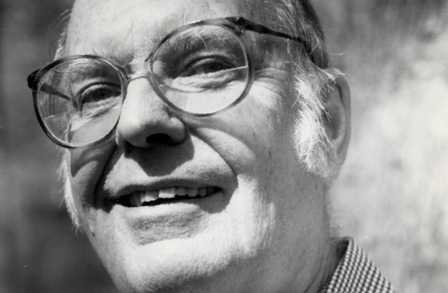
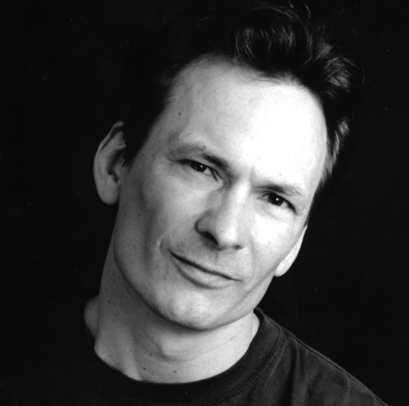
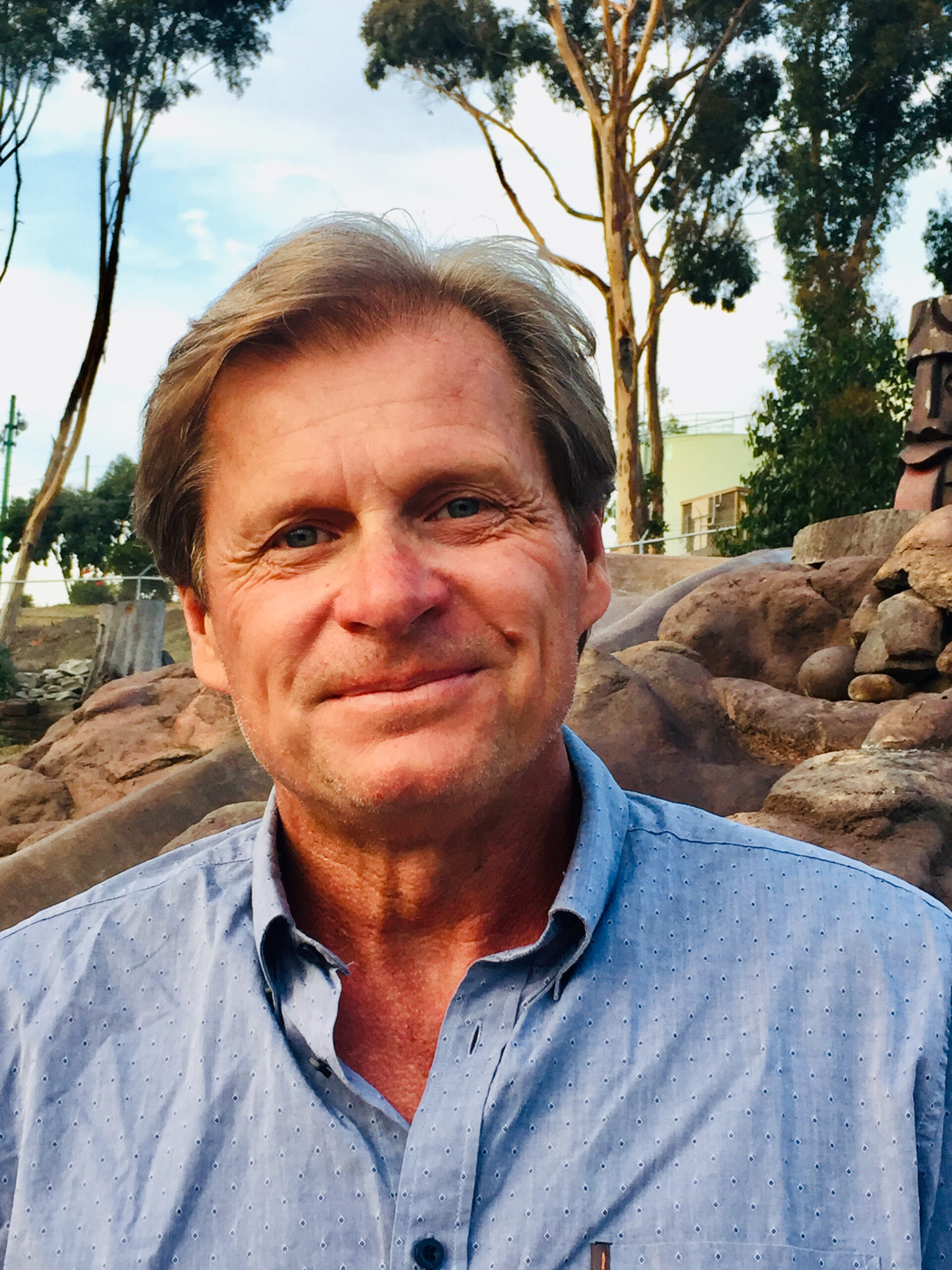 Tom Csanadi is retired pediatrician and is currently enrolled the Creative Writing certificate program through UC San Diego. As a first generation American of Hungarian refugee parents who fled their home country during the 1956 Revolution, he is passionate about drawing attention to the struggles faced by diverse groups of people. His view has also been honed from bearing witness to the full spectrum of the human condition during my career working with immigrant communities